A Letter from DRWC Founders, Heather & Trish
“Secure, Anxious, Avoidant…and Human”
Dear Reader,
With summer in full swing, many of us find ourselves shifting into a different pace—more time outside, more social energy, and maybe even a little more space to slow down and reflect. It’s a season that naturally invites connection. And at our practice, we’re thinking about how that connects to the work we do: exploring how we show up in our relationships, how we give and receive love, and how our attachment patterns shape the way we navigate closeness, distance, and everything in between.
This month, we’re focusing on attachment. Not just the clinical framework, but the everyday ways it shows up—in how we communicate, how we seek reassurance, how we handle conflict, and how we experience intimacy. Understanding our attachment patterns can bring clarity to the stuck spots in our relationships and help us move toward more secure, fulfilling connections.
Because attachment and sexuality are so deeply connected, we’re also paying attention to how desire, touch, and emotional safety influence each other. Our relational and sexual wellness are not separate—they inform and shape one another. And the more awareness we bring to these dynamics, the more agency we gain in how we relate and connect.
As co-founders, we care deeply about creating a space where conversations around relationships and sexuality feel approachable, nuanced, and grounded. Whether you’re here to heal old patterns, build new ones, or simply reflect more intentionally, we’re glad to be walking this path with you.
Here’s to a season of clarity, connection, and real growth.
Warmly,
Heather & Trish
Founders and Clinical Directors at Dalliance Relationship Wellness Center
Be sure to check out our website www.dalliancetherapycenter.com
We invite you to stay connected with us via this newsletter, our Instagram page @dalliance_rwc, our Facebook page @Dalliance Relationship Wellness, our X (Twitter) page @dalliance_rwc, our Pinterest page @dalliance_rwc.
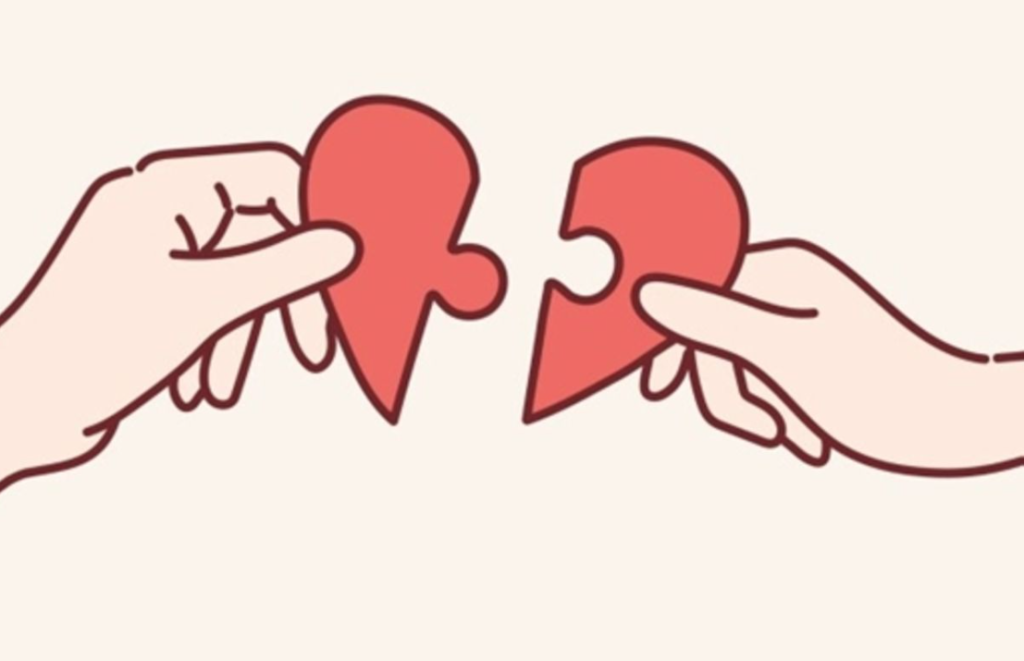
What Attachment Styles Say About Your Love Life
Have you ever wondered why you keep attracting emotionally unavailable partners—or why you sometimes feel “too needy” in relationships? The answer might not be in your partner’s behavior, but in your attachment style.
Attachment theory, originally developed by psychologist John Bowlby, explains how our early relationships with caregivers shape our expectations and behaviors in adult romantic relationships. Understanding your attachment style can offer powerful insights into your love life—and help you build healthier, more fulfilling connections.
The Four Main Attachment Styles
1. Secure Attachment
Core belief: “I am worthy of love, and others are dependable.”
In relationships: You’re generally open, affectionate, and comfortable with intimacy. You can communicate your needs and support your partner without fear.
Love life outlook: Healthy, balanced relationships with good conflict resolution.
2. Anxious (Preoccupied) Attachment
Core belief: “I must work hard to earn love; people may leave me.”
In relationships: You may crave closeness but fear rejection. This can lead to clinginess, overthinking, or emotional highs and lows.
Love life outlook: You may find yourself attracted to emotionally distant partners, constantly seeking reassurance but rarely feeling secure.
3. Avoidant (Dismissive) Attachment
Core belief: “I can’t count on others; I’m better off alone.”
In relationships: You tend to prioritize independence and downplay emotions. Intimacy may feel suffocating, and you might pull away when things get serious.
Love life outlook: Relationships may remain shallow or distant, often ending when closeness grows.
4. Fearful-Avoidant (Disorganized) Attachment
Core belief: “I want closeness, but I fear getting hurt.”
In relationships: You may flip between wanting intimacy and pushing people away. There’s often a deep fear of abandonment and closeness.
Love life outlook: These relationships can feel like emotional rollercoasters, often involving trauma triggers or past unresolved wounds.
Why It Matters in Your Love Life
Attachment styles are not destiny—but they strongly influence:
- Who you’re attracted to
- How you communicate
- How you handle conflict
- Your emotional needs (and how you express them)
For example:
Anxious and avoidant partners often find each other—creating a painful push-pull dynamic.
Secure partners can help stabilize insecure ones, offering a “corrective emotional experience.”

Attachment Styles in Intimacy vs. Everyday Life: Why They Might Not Always Match
When most people learn about attachment styles—secure, anxious, avoidant, or disorganized—they often apply them to everyday relational patterns: how we communicate, how we respond to conflict, how we handle closeness or distance. But what’s less often talked about is how these styles can show up differently in our sexual lives. In other words, the way we attach emotionally in day-to-day interactions may not be the same as how we relate sexually.
This can be confusing—especially in partnerships where one person seems secure and steady in daily life, but distant or overwhelmed when it comes to sex. Or where someone who appears avoidant in conversation becomes intensely connected and open during physical intimacy. So what’s going on?
Let’s explore.
The Two Tracks of Attachment: Relational vs. Erotic
Our attachment system is primarily about safety, connection, and emotional regulation. Sexuality, on the other hand, draws from a different—but overlapping—set of needs: desire, novelty, vulnerability, and embodiment. For many people, these systems can operate on different tracks.
For example:
- A person with anxious attachment may seek constant reassurance in daily life, but feel inhibited or frozen sexually due to fear of rejection or judgment.
- A partner with avoidant attachment may struggle with emotional closeness, yet feel freer during sex, where the rules are more contained and less emotionally complex.
- Someone with a disorganized attachment style might crave intimacy but also feel overwhelmed by it—both emotionally and sexually—leading to patterns of push-pull or shutdown in either realm.
- This separation isn’t a flaw—it’s often a survival strategy developed in early relationships, especially in environments where emotional and physical closeness were experienced inconsistently or even dangerously.
Sexuality Can Activate Vulnerabilities That Don’t Appear Elsewhere
Sex brings up unique layers of vulnerability. It’s often where people confront feelings of inadequacy, fear of being seen, or fear of being too much. Even those who feel emotionally secure in conversation may find sex to be a place where old attachment wounds surface.
That’s because sex isn’t just physical—it’s also a form of communication, exposure, and identity. It’s where our deepest needs for acceptance, pleasure, control, and surrender all live in the same room. And for many, that level of intimacy touches parts of the self that haven’t always felt safe.
Working with the Difference
Understanding that you or your partner’s attachment behaviors may vary between emotional and sexual settings can help reduce shame and increase curiosity. Rather than assuming something is “wrong,” we can begin to ask:
- What feels safe to me emotionally—but not sexually? Or the other way around?
- Are there parts of me that come alive in sex that feel hidden in the rest of the relationship?
- What do I need—emotionally or physically—to feel secure, connected, and desired?
In therapy, we help individuals and couples explore these questions through an attachment lens. We look at how early relational experiences shaped both emotional safety and bodily expression—and how healing happens when both can be honored.
Bridging the Gap
When we begin to integrate our emotional and sexual selves, we create the opportunity for wholeness. That doesn’t mean perfect symmetry between emotional closeness and sexual ease. But it does mean we can hold both with more awareness—and respond to our partners (and ourselves) with more compassion.
So if you notice that your sexual attachment style feels out of sync with how you usually relate, you’re not alone. It’s not a contradiction—it’s a reflection of your complexity. And it’s also a powerful place to begin healing.
Interested in exploring this further? Our practice offers individual and couples therapy focused on attachment, intimacy, and sexual wellness. Reach out to learn more—we’d love to support your journey.
Dalliance in Practice
A Monthly Therapeutic Tool from Our Couch to Your Inbox

Healing Attachment
Understanding and Healing Attachment that Works for All Attachment Styles
1. Recognize Your Relationship Patterns
- Journaling prompts:
- “What do I fear most in love?”
- “What do I do when I feel rejected or smothered?”
2. Reframe the Cycle
- Use language like: “This isn’t me being broken—this is a pattern I learned to stay safe.”
3. Use Emotionally-Focused Communication
- “When I feel [emotion], I need [attachment need].”
- Example: “When I feel distant from you, I need to know we’re still connected.”
4. Create Secure Rituals
- Daily check-ins, “goodnight” texts, weekly date nights—simple practices build safety.