Dear Reader,
There’s a moment in almost every relationship where things could go one of two ways. You either stay present, even when it’s uncomfortable or you leave mentally, emotionally, or defensively.
And most of us don’t choose to leave. Our nervous system does it for us.
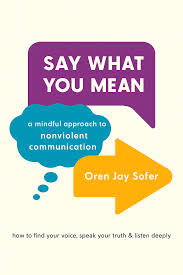
This month, we’ve been sitting with the work of Oren Jay Sofer, particularly his book Say What You Mean, which brings together mindfulness, somatic awareness, and nonviolent communication in a way that feels deeply aligned with how we work at Dalliance.
Communication doesn’t break down because you don’t know what to say. It breaks down because your nervous system won’t let you stay.
Because the truth is communication isn’t just about what you say. It’s about:
- the state your body is in when you say it
- the safety (or lack of safety) in the room
- your capacity to stay open when things get hard
We don’t need better scripts. We need better regulation. This month, we’re inviting you into a different kind of conversation: One where you don’t abandon yourself or your relationship.
Heather & Trish
Co-Founders and Clinical Directors at Dalliance Relationship Wellness Center
Be sure to check out our website www.dalliancetherapycenter.com
We invite you to stay connected with us via this newsletter, our Instagram page @dalliance_rwc, our Facebook page @Dalliance Relationship Wellness, our X (Twitter) page @dalliance_rwc, our Pinterest page @dalliance_rwc.

Why Hard Conversations Go Sideways (So Fast)
Most people think conflict breaks down because of poor wording, miscommunication, and/or different needs. But more often, it’s this: Your nervous system decides the conversation is unsafe. And when that happens, your body moves into protection.
Protection can look like fight (defend, correct, escalate), flight (avoid, deflect, change subject), freeze (shut down, go blank, disconnect), or fawn (appeasing to stay safe).
Instead of confronting danger (fight), escaping it (flight), shutting down (freeze), or appeasing (fawn) a person learns—often very early on—that the safest move is to keep others happy, regulated, or pleased… even at their own expense.. Once you’re there, connection becomes almost impossible. Not because you don’t care, but because your system is trying to keep you safe.
So the real work isn’t, “How do I say this perfectly?” It’s “How do I stay present enough to say anything real at all?”
Dalliance Takeaways
3 Ways to Stay Regulated in Hard Conversations:
1. Slow Your Body Before You Speak
If your heart is racing, your tone will follow. Try this before responding:
- Inhale through your nose for 4 counts
- Exhale slowly for 6-8 counts
- Feel your feet on the ground
This isn’t about calming down completely, but it’s about giving your body just enough safety to stay engaged.
2. Name Your Inner State (Silently or Out Loud)
When you can name what’s happening inside you, you’re less likely to act it out. For example, internally you could imagine:
- “I’m feeling defensive right now,” or
- “I’m starting to shut down”
Or gently say out loud: “I want to stay in this, but I can feel myself getting overwhelmed.” This creates transparency instead of reactivity.
3. Stay Curious Instead of Certain
Certainty hardens. Curiosity softens. Instead of, “That’s not what happened,” try
“Can you help me understand what that felt like for you?” Curiosity doesn’t mean you agree. It means you’re still in the room.
Dalliance in Practice
A Monthly Therapeutic Tool From Our Couch to Your Inbox

The “Stay With Me” Exercise
This is simple, but not easy. It’s designed to build your capacity to stay regulated while something real is happening.
Set a timer for 5-7 minutes each.
Partner A:
Share something mildly vulnerable. Not your most charged issue, but focus on something that matters. Focus on:
- Speaking slowly
- Staying connected to your body
- Noticing when activation rises
Partner B:
Your only job is:
- Listen
- Track your internal reactions
- Stay present
If you feel yourself leaving (such as defensiveness, shutdown, urge to interrupt), gently say, “I’m here. I’m working to stay with you.” Then come back.
Switch.
Afterward, reflect together:
- When did you feel yourself leave?
- What helped you stay?
- What made it harder?
The Deeper Invitation
- Expanding your capacity to stay present under pressure
- Letting yourself be seen without armor
- Learning that intensity doesn’t have to equal disconnection
You don’t need to do it perfectly. You just need to stay a little longer than you usually would. That’s where everything starts to change.

We are so proud of our senior clinician, Lauren for her first speaking opportunity at the Fully Alive: A Line Summit – a one day experience for women who are ready to come back to themselves and step fully into who they are meant to be.
Lauren’s talk embodied the heart of fully alive sexuality not as performance, but as a portal into presence, expression, and truth. She invited the audience to move beyond scripts and into a deeper relationship with our bodies – finding the place where desire, identity and aliveness are all intertwined.
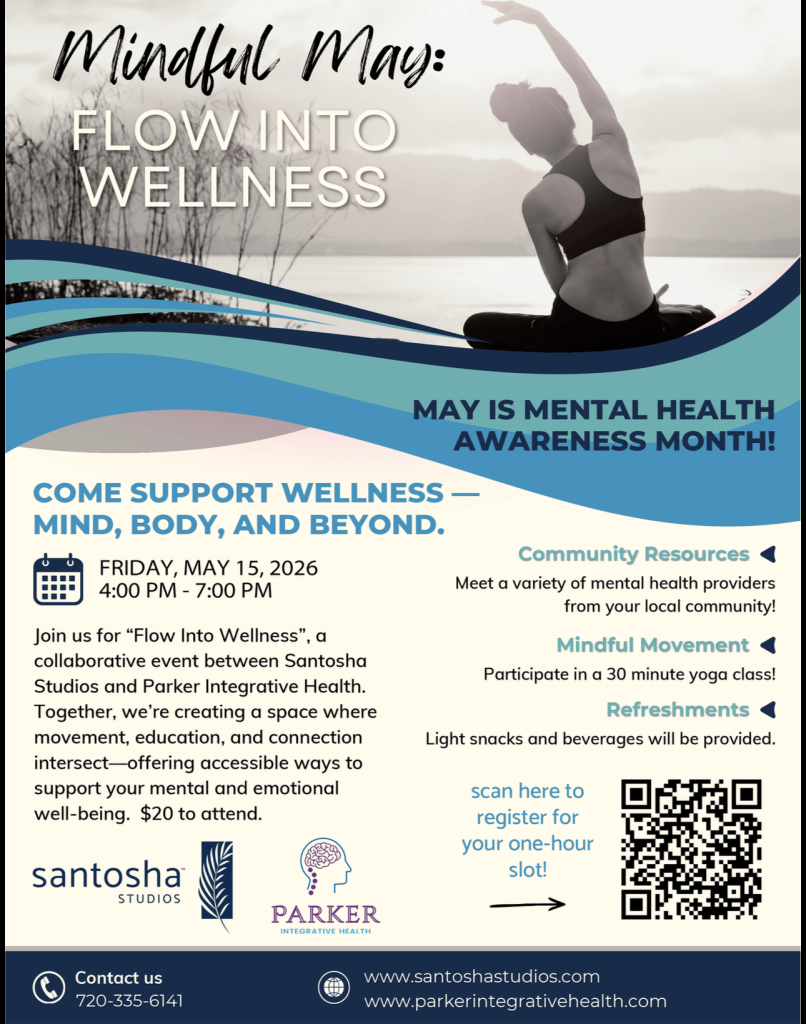
Dalliance is partnering with Santosha Studios for Flow Into Wellness on Friday, May 15th from 4 pm – 7pm to bring what we do best—real, honest conversations about connection, desire, and the nervous system beneath it all.
We’ll be there offering a grounded, approachable space to explore your mental and emotional well-being—beyond surface-level coping. Stop by and say hi. Come meet our team, ask questions, and learn how the Dalliance approach to mental wellness shifts emotional and physical well-being .

Check out www.dalliancetherapycenter.com to learn more about our expanded services! Along with our expertise in relationships and sexual wellness, we now offer compassionate support for anxiety, depression, life transitions, family therapy, and more. Our goal is to help you create a healthier, more fulfilling life—emotionally, mentally, and relationally. Whatever you’re going through, we’re here to support you every step of the way.
Pieces of Pleasure
Every month, we will be sharing the resources that are getting us thinking, learning & loving…
What We Are Listening To: Where Should We Begin? With Esther Perel Podcast: Often considered the “queen’ of relational insight, Perel masterfully unpacks desire, betrayal, communication, and connection with nuance and depth. Each episode invites listeners to witness the complexity of human relationships and reflect on their own patterns with compassion and curiosity.
What We Are Reading: Say What You Mean by Oren Jay Sofer: Sofer offers a grounded, compassionate framework for communicating with clarity, confidence, and care. Blending mindfulness with practical tools, Sofer explores how our internal experiences shape the way we speak, listen and relate, especially in moments of conflict. These themes are showing up across many of the relationships we work with and it also sparked the direction for this month’s newsletter.
What We Are Watching: Couples Therapy with Orna Guralnik: This show is an unfiltered, behind-the-scenes look at real couples doing the work in therapy, guided by Guralnik’s steady, incisive presence. The series captures the complexity of intimacy, conflict, and repair with a depth that feels both clinically grounded and deeply human. We’re counting down the days until the newest season drops next month.