
Anxiety can take many forms—racing thoughts, muscle tension, insomnia, or that persistent sense of dread you can’t quite name. For many people in Parker, CO, the first question isn’t what anxiety is—it’s how to manage it. With so many treatment paths available—therapy, breathing techniques, and medication—choosing the right combination can feel overwhelming.
At Dalliance Therapy Center, we take an integrative approach that recognizes anxiety as both a psychological and physiological condition. That means care isn’t just about symptom suppression—it’s about restoring balance. This guide offers a practical breakdown of therapy, breathwork, and medication so you can explore which tools may work best for your life, body, and healing journey. If you’re already working with a therapist, here are daily tools to manage anxiety between sessions that can support your progress.
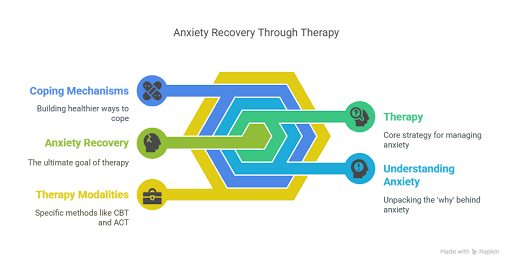
Therapy: The Core of Anxiety Recovery
Talk therapy remains one of the most effective long-term strategies for managing anxiety. At Dalliance, we tailor each therapy plan based on your symptoms, goals, and cognitive patterns. Modalities like Cognitive Behavioral Therapy (CBT) help you identify and reframe anxious thought loops, while Acceptance and Commitment Therapy (ACT) supports emotional flexibility and value-based living.
Therapy allows you to unpack the why behind your anxiety—not just treat the what. For instance, if your symptoms stem from unresolved trauma or perfectionism, our therapists guide you through structured methods to heal and build healthier coping mechanisms. The consistency and trust built in therapy also help develop emotional resilience and reduce the fear of recurrence.
Breathwork and Body-Based Techniques: Regulating the Nervous System
While therapy addresses the mind, breathwork focuses on calming the body—especially the autonomic nervous system, which governs our fight-or-flight response. During moments of panic or chronic stress, your heart rate may spike, muscles tighten, and thoughts spiral. Breathwork and grounding techniques can offer fast, accessible relief.
At Dalliance, we teach clients how to use simple breathing strategies—like box breathing or diaphragmatic breathing—to regulate their internal state in real time. These tools are often taught in-session and practiced between sessions to reinforce calm, improve focus, and reduce physical symptoms of anxiety.
Here are a few methods we often integrate:
- Box Breathing: Inhale for 4 counts, hold for 4, exhale for 4, hold for 4.
- Progressive Muscle Relaxation: Tensing and releasing muscle groups to calm physical tension.
- 5-4-3-2-1 Grounding: A mindfulness technique using the senses to anchor attention and reduce overwhelm.
These techniques are ideal for managing anxiety in daily life—between meetings, before sleep, or during emotional flare-ups.
Medication: A Supplemental Option for Severe or Chronic Anxiety
For some individuals, medication can be a powerful support tool. If anxiety symptoms are severe, constant, or rooted in neurological imbalances, a psychiatrist may recommend antidepressants, beta-blockers, or short-term use of anti-anxiety medications. At Dalliance, we collaborate with psychiatric providers when appropriate, integrating medication into a broader therapeutic strategy.
Medication is not a stand-alone solution—it works best when paired with therapy and lifestyle changes. It’s often used to reduce the intensity of symptoms so clients can engage more fully in therapeutic work and everyday activities.
A Personalized, Blended Approach Works Best
You don’t have to choose just one path. Many of our clients at Dalliance benefit from a combination of talk therapy, mindfulness tools, and, when needed, psychiatric support. Anxiety is complex—and your treatment should reflect that complexity with flexibility and personalization.
If you’re ready to take the next step toward calm and clarity, schedule a free consultation with our team. Together, we’ll find a treatment rhythm that feels manageable, empowering, and tailored just for you.