This May, we are using Movement for Medicine at Dalliance
Our relationship to movement is so intertwined with our relationship to our sexuality. Our bodies have so much valuable information to teach us about our boundaries, our needs, our wants, and our desires. Connecting more deeply with your own body, its sensations, and welcoming in those sensations as information about what you find pleasurable, uncomfortable or even painful can help in advocating for a more fulfilling sexual experience.
Research has shown being mindful of the body’s experiences teaches people to become more aware of their internal bodily sensations, including sexual sensations, and this may improve their motivations for sex and increase their tendency to notice sexual arousal and have that arousal trigger sexual desire.
Engaging in regular physical activities can enhance body awareness and self-esteem, both of which are crucial for a healthy sexual life. When people feel strong and capable in their bodies, this confidence can translate into their sexual interactions. They are more likely to feel empowered to communicate their desires and boundaries, leading to more satisfying and consensual sexual experiences. Moreover, physical exercise releases endorphins and other neurochemicals that boost mood and reduce stress, which can also positively impact sexual desire and performance.
Lastly, movement practices such as yoga, dance, and tai chi can help individuals connect with their bodies in a more intimate and expressive way. These practices encourage mindfulness, grounding, and an appreciation for the body’s capabilities and sensations. By integrating such movement practices into daily routines, people can cultivate a deeper sense of embodiment and presence, which can enhance not only their sexual experiences but also their overall well-being. Embracing the wisdom of the body through movement can be a transformative journey towards greater sexual fulfillment and a more profound connection with oneself.

A Letter from DSWC Founders, Heather & Trisha
Dear Readers,
Welcome to an edition that promises to ignite the senses and provoke thought in equal measure. In this Edition of Dalliance Pleasure Perspectives, we delve into a topic that often dances on the periphery of conversation but holds profound significance in our lives: the interplay between movement and sexuality.
Movement is not only about physical exercise or dance or completing our multiple tasks for the day; it’s a language through which we express our desires, emotions, and connections.
Movement in sexuality refers to the physical expressions and gestures involved in sexual arousal, intimacy, and pleasure. It encompasses a wide range of bodily motions, from subtle shifts in posture and facial expressions to more overt actions such as touching, kissing, and thrusting. It serves multiple purposes, including communication of desire, exploration of sensory stimuli, and enhancement of pleasure for oneself and one’s partner(s).
It is important to note that movement in sexuality extends beyond physical actions to integrate rhythms, tempos, emotions and thoughts during sexual interactions. These elements can and do contribute to the overall experience of intimacy and eroticism by and between partners.
Read on as we invite you to explore the intricate relationship between movement and sexuality. Discover how movement enhances our understanding and experience of pleasure, deepens our connections with ourselves and others, and helps create a sense of liberation and empowerment.
Heather & Trisha
Founders and Clinical Directors at Dalliance SWC
Lessons in Slowing Down & Tuning In
By Trisha Andrews, LMFT, CST
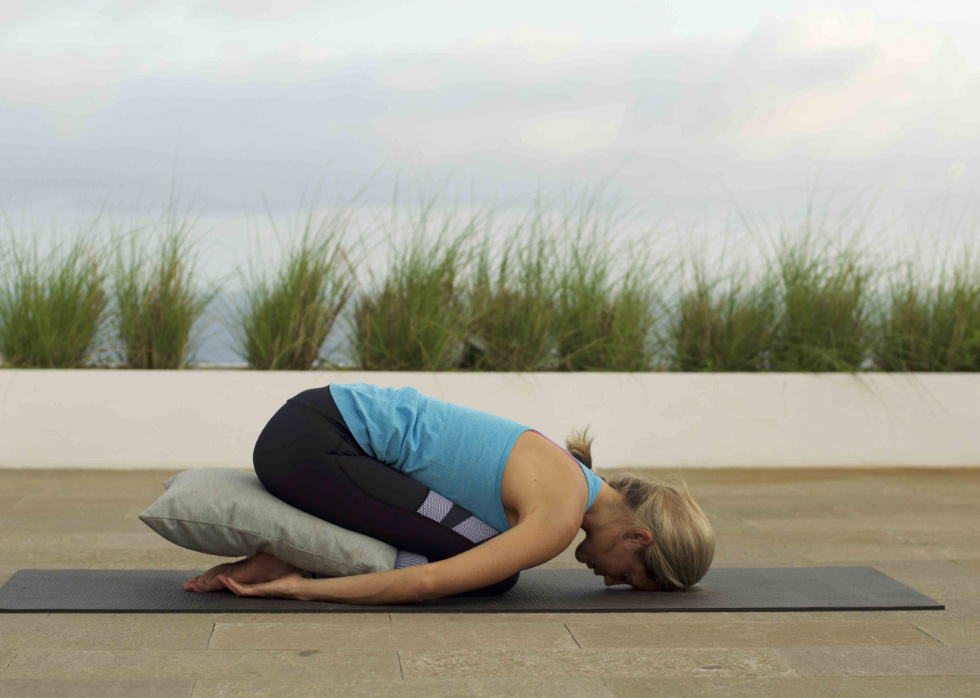
Yin yoga is a therapeutic form of yoga, characterized by its slow pace and deliberate postures. It offers a space for introspection, allowing you to delve deeper into the inner experiences and moving through discomfort and into release. Unlike some other forms of yoga, Yin yoga isn’t primarily aimed at physical fitness. Although many exercises can achieve that goal, Yin yoga focuses on a deeper connection with the mind, body, and soul.
Rooted in Taoist philosophy, the term ‘yin’ represents stillness and cooling, contrasting with ‘yang,’ which generates movement and heat within the body. Yin yoga postures are predominantly passive, performed on the floor while seated or lying down. In Yin yoga, the focus is on relaxation within the postures, allowing the body to naturally soften and release without force.
While yang-style yoga like Vinyasa or Ashtanga targets superficial muscles, Yin yoga engages with deeper connective tissues such as ligaments, joints, bones, and the fascia network. It’s akin to receiving an internal massage, deeply nurturing the body.
Yin trains the mind to slow down and let go while also promoting the elongation of the connective tissue in the body. The poses are held for extended periods of time, typically ranging from 3 to 10 minutes. This prolonged duration parallels meditation, fostering mental calmness and facilitating a profound connection with the body’s wisdom and intelligence. Beyond its meditative qualities, Yin yoga offers numerous physiological benefits, making it an enriching practice for self-exploration and holistic health.
Yin yoga has taught me:
Attuning and honoring where I am today: My Yin practices gives me the space to pause and reflect on my current thoughts, feelings, and physical sensations. By holding longer poses, I allow myself to fully embrace the present reality without trying to force or change it. Everyday my body is different, Yin allows me to practice self-compassion and acceptance for where I am today. Yin has helped me trust my intuition to guide me towards what I need most on any given day.
More being and less doing: As a mom of three, a business owner and a full-time therapist, my days are filled with a constant flow of activity, always in motion. Yin yoga has presented me with a different approach to my life’s challenges and chaos. I have learned to give myself time daily to find calm in the chaos. Yin challenges me to embrace stillness, to confront discomfort head-on, leaning into it and letting it unfold. I have learned sit in my discomfort and let my body unwind itself gently.
Fostering self love: Yin has taught me how to foster a positive and appreciative relationship with my body. Instead of fixating on my perceived flaws or societal ideals, I am able to focus on expressing gratitude for the incredible capabilities and functions of my body. By being more present to my body’s expansiveness and constrictions and viewing these experiences as a journey toward self understanding and not seeking an end goal, I have found more fulfillment and balance in my life.
Trusting into my inner knowing: Yin has taught me to quiet my mind. My daily practice allows me to quiet my mind by integrating meditation and deep breathing as part of my Yin practice. When my mind is calm and still, I’m more likely to tune into my intuition. By paying close attention to physical sensations in my body, I learn valuable clues about what feels right or wrong for me. During my practice, I am deeply attuned to any feelings of tension or relaxation, heaviness or lightness, and learn to trust in my body’s wisdom. Yin has taught me to recognize that I am the ultimate authority in my own life, and to trust that I have the wisdom and insight to make the right choices for myself.
Growth and change isn’t linear: Two steps forward and one step back is still one step forward. Growth occurs when we strive to learn from and overcome our challenges, rather than dwelling on them and feeling trapped. There can be a lot of initial discomfort in the Yin poses and some days my body feels more expansive than others. I have learned to welcome my body’s fluctuations and changes which has helped me honor my emotional growth and change in it’s own time.